
Frequently Asked Questions (FAQ)
Getting Started | About Iron Deficiency
What is iron deficiency?
Iron deficiency occurs when your body does not have enough iron to meet its physiological needs. It can occur with or without anaemia and may still cause significant symptoms even when haemoglobin levels are within the laboratory reference range.What is anaemia?
Anaemia is a condition where the haemoglobin level in the blood is low, meaning the blood cannot carry oxygen as efficiently as it should. Haemoglobin is found inside red blood cells and is responsible for delivering oxygen to tissues throughout the body.
The most common cause of anaemia is iron deficiency, but anaemia can also result from other causes such as vitamin deficiencies, chronic inflammation, blood loss, or bone marrow conditions.
Importantly, anaemia represents a later stage of iron deficiency. Many people have low iron stores and experience symptoms before haemoglobin levels fall. This is why iron deficiency can be present even when someone is told they are “not anaemic”.
What are the symptoms of iron deficiency?
Iron deficiency can cause a wide range of symptoms, many of which are non-specific and easily overlooked. Common symptoms include:
- Persistent or unexplained fatigue
- Reduced exercise tolerance or shortness of breath
- Brain fog, poor concentration, or memory difficulties
- Headaches
- Restless legs or poor sleep
- Hair thinning or hair loss
- Brittle nails
- Dizziness or light-headedness
- Palpitations
- Craving ice or other non-food items (pica)
Symptoms generally occur even before anaemia develops.
Why does fixing iron deficiency matter?
Iron is essential for oxygen delivery, energy production, cognitive function, muscle performance, and immune health. Untreated iron deficiency can significantly impact quality of life, daily functioning, and work capacity.
In certain groups, including women of reproductive age, pregnant patients, those with gastrointestinal conditions, or chronic blood loss (i.e. from heavy periods), ongoing iron deficiency may lead to recurrent symptoms and progression to anaemia if not addressed appropriately.
Are iron infusions safe?
Modern intravenous iron preparations are very safe when administered in an appropriate clinical setting. Serious reactions are rare.
Skin staining is uncommon and occurs at a rate well below that reported in published literature at our clinics, reflecting careful technique and extensive staff experience.My doctor said my iron levels are normal, so could I still be iron deficient?
Yes. Iron deficiency is frequently under-recognised. Laboratory reference ranges may not reflect optimal iron stores, particularly in symptomatic patients. Many people may experience symptoms with ferritin levels below ~50 µg/L, despite being told their results are “normal”. As a specialist clinic, we interpret iron studies in clinical context rather than relying on a single laboratory value.
Why do I have symptoms when my haemoglobin is still normal?
Haemoglobin reflects red blood cell levels, not iron stores. Iron deficiency will develop before haemoglobin falls, meaning your body may be struggling to supply iron to muscles, the brain, and other tissues despite a “normal” haemoglobin result.
This is known as non-anaemic iron deficiency (NAID), and it is a well-recognised cause of fatigue, cognitive symptoms, and reduced physical performance.
What blood tests are used to assess iron deficiency?
Iron deficiency is not diagnosed using a single test. We assess a combination of results, including:
- Ferritin (iron stores)
- Transferrin saturation
- Serum iron
- Total iron binding capacity
- Haemoglobin and red cell indices
Together, these provide a more accurate picture of iron status. We also take into account patient’s symptoms and potential risk of deficiency by asking about menstrual losses, gastrointestinal diseases, exercise status and a number of other factors.
I don't know if I am deficient. Can I test my iron levels with The Iron Infusion Clinic
Most pathology laboratories in Australia require a request form from a registered clinician before they can perform blood tests. Through our Iron Deficiency Screening Tool 🔗, patients can complete a short online screening questionnaire which is reviewed by our clinical team. If testing is clinically appropriate, we can issue a pathology request form so you can attend a local pathology provider for the blood test. Once the results are available, they are reviewed by our clinicians and we will advise you of the outcome and any recommended next steps.
Booking Your Appointment
Do I need a referral to attend The Iron Infusion Clinic?
You do not need a referral. If you have blood tests demonstrating iron deficiency that are less than four months old, then you can book in with us. We also welcome referrals from other referring health practitioners.
If you feel as though you might be iron deficient and you don’t have recent blood test results, patients can access our Iron Screening Tool, from which we can rapidly arrange a blood test for you and and follow-up treatment for your iron deficiency if appropriate.
How do I book?
You can book online at any time via our website, or call our team during business hours.
Once we receive your booking and results, our clinical team will review everything prior to confirming your appointment.What happens after I submit my referral?
Your results are reviewed by our clinical team to confirm that an iron infusion is appropriate and safe.
Once approved, we will contact you to confirm your appointment or you can proceed with online booking if eligible.Who will I see at the clinic?
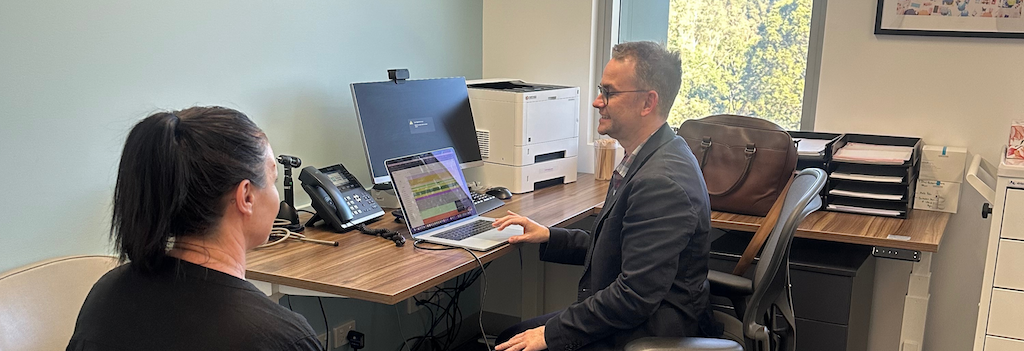
All clinic sites are staffed by both Consultant Haematologists and Nurse Practitioners.
Depending on your clinical needs, you may be seen by:
- A Haematologist (blood specialist)
- A Nurse Practitioner, with specific training in anaemia and iron deficiency.
- Or both, working together within a coordinated care model
This ensures timely access to care while maintaining specialist-level assessment and oversight.
What is a Nurse Practitioner?
A Nurse Practitioner (NP) is an advanced practice clinician with:
- A Master’s degree or higher
- Extensive postgraduate clinical experience
- Authority to assess patients, diagnose conditions, order investigations/blood tests, the ability to prescribe medications, and manage treatment plans
Nurse Practitioners are highly skilled clinicians who practise autonomously within their scope and work closely with medical specialists.
How are Nurse Practitioners trained at The Iron Infusion Clinic?
All Nurse Practitioners at The Iron Infusion Clinic are personally trained and credentialed by Dr Joel Collins, Consultant Haematologist.
Training includes:
- Comprehensive assessment of iron deficiency
- Advanced interpretation of iron studies
- Safe prescribing and administration of intravenous iron
- Recognition and management of adverse reactions
- Clear escalation pathways for complex or atypical cases
Is there specialist medical oversight?
Yes. All clinical care across all sites occurs under direct haematologist involvement.
Dr Joel Collins:
- Personally trains all Nurse Practitioners
- Develops and reviews all clinical protocols
- Is involved in clinical decision-making across the clinics
- Reviews complex cases and referrals
This ensures consistent, high-quality care regardless of which clinic you attend.
Will my GP or specialist be informed?
With your consent, we provide a formal medical letter to your GP and/or other treating specialists outlining:
- The indication for treatment
- The iron formulation used
- Follow-up and monitoring recommendations
This is also uploaded to your health record.
What follow-up is required after an infusion?
Repeat blood tests may be recommended after treatment. We provide clear, individualised guidance regarding monitoring and next steps and we will communicate this to you, as well as to your GP and any other specialists involved in your healthcare.
Can iron deficiency recur?
Yes. Iron deficiency can recur if the underlying cause persists (such has heavy periods). Our approach focuses not only on iron replacement, but also on identifying and addressing contributing factors, with appropriate investigation or referral recommendations where required.
Do I need a seperate consult on a different day from my iron infusion?
No, you do not need to attend a separate consultation. Your clinical assessment and iron infusion are completed in the same visit, so there is no need to return on another day.
This is possible because our clinical team carefully reviews your blood results and referral information in advance. If any clarification is needed, one of our clinicians will contact you prior to your appointment to ensure everything is appropriate and safe before you attend.
What to expect on the day
How long does it take?
The infusion itself usually takes around 15–20 minutes for adults, with additional time for preparation and observation.
Paediatric infusions can take as little as 5 minutes (depending on the dose)
Most patients are in the clinic for approximately 45–60 minutes in total.
What happens during the infusion?
A small cannula is inserted into a vein in your arm, and the iron is given via an intravenous infusion.
You will be seated comfortably, and our team will monitor you throughout the process.
Does it hurt?
Aside from a small sting from the initial cannula insertion (similar to a blood test), the procedure is generally well tolerated.
Most patients find the infusion comfortable.
What should I bring?
We recommend:
- Something to read or do during the infusion
- Water or a drink
- Comfortable clothing
Our clinics are designed to be calm and comfortable.
Who will I see at the clinic?
All clinic sites are staffed by both Consultant Haematologists and Nurse Practitioners.
Depending on your clinical needs, you may be seen by:
- A Haematologist (blood specialist)
- A Nurse Practitioner, with specific training in anaemia and iron deficiency.
- Or both, working together within a coordinated care model
This ensures timely access to care while maintaining specialist-level assessment and oversight.
What is a Nurse Practitioner?
A Nurse Practitioner (NP) is an advanced practice clinician with:
- A Master’s degree or higher
- Extensive postgraduate clinical experience
- Authority to assess patients, diagnose conditions, order investigations/blood tests, the ability to prescribe medications, and manage treatment plans
Nurse Practitioners are highly skilled clinicians who practise autonomously within their scope and work closely with medical specialists.
How are Nurse Practitioners trained at The Iron Infusion Clinic?
All Nurse Practitioners at The Iron Infusion Clinic are personally trained and credentialed by Dr Joel Collins, Consultant Haematologist.
Training includes:
- Comprehensive assessment of iron deficiency
- Advanced interpretation of iron studies
- Safe prescribing and administration of intravenous iron
- Recognition and management of adverse reactions
- Clear escalation pathways for complex or atypical cases
Is there specialist medical oversight?
Yes. All clinical care across all sites occurs under direct haematologist involvement.
Dr Joel Collins:
- Personally trains all Nurse Practitioners
- Develops and reviews all clinical protocols
- Is involved in clinical decision-making across the clinics
- Reviews complex cases and referrals
This ensures consistent, high-quality care regardless of which clinic you attend.
What are the side effects/risks?
Iron infusions are generally very safe and well tolerated.
Some patients may experience mild side effects such as headache, nausea, or temporary changes in taste.Serious reactions are very rare, and our staff are trained to manage them should they occur.
Pregnancy and Women's Health
What are the symptoms of iron deficiency in pregnancy?
Symptoms may overlap with normal pregnancy changes and include:
- Persistent or disproportionate fatigue
- Shortness of breath
- Dizziness or light-headedness
- Palpitations
- Headaches
- Restless legs and leg cramps
- Reduced exercise tolerance
Because these symptoms are often attributed to pregnancy itself, iron deficiency may be overlooked.
Why is replacing/correcting iron deficiency important in pregnancy?
Iron requirements increase significantly during pregnancy to support:
- Expansion of maternal blood volume
- Placental development
- Fetal growth and brain development
Adequate iron stores are important for both maternal wellbeing and healthy pregnancy outcomes.
Normalising iron stores during pregnancy help with:
- Establish breastfeeding
- Decrease the incidence of low mood after birth
- Help prevent iron deficiency in your infant after birth
How common is iron deficiency in pregnancy?
Iron deficiency is very common in pregnancy (up to 80% of all pregnant women), particularly in women with:
- Low iron stores prior to conception
- Heavy menstrual bleeding before pregnancy
- Multiple or closely spaced pregnancies
- Dietary iron deficiency
Many women become quickly iron deficient even when early pregnancy blood tests were normal or very good.
Is having an iron infusion safe during pregnancy?
Yes. Intravenous iron is considered safe in pregnancy, particularly in the second and third trimesters.
Modern intravenous iron formulations have a strong safety profile and are commonly used in pregnant women.
When can I have an iron infusion during pregnancy?
Iron infusions are typically given after 12-14 weeks of pregnancy.
If you are earlier than this, we can help plan timing and next steps.
Fees & Payment Options
How much does it cost?
An iron infusion and consult with an iron practitioner costs $269 – $299.
What is included?
Your fee covers the complete service:
- Clinical consult with one of our iron expert practitioners
- Review of your blood results
- Clinical assessment as to the causes of your deficiency, and future management/prevention strategies
- Administration of the infusion
- Monitoring during and after the procedure
This ensures your treatment is both appropriate and safe.
Do you offer Afterpay?
Yes.
Afterpay is available for eligible patients and allows you to split the cost into 4 interest-free payments.
Please note, you cannot you Afterpay for your booking fee ($50).
Do I need to apply to use Afterpay beforehand?
After Your Infusion
When will I feel better?
Most patients notice improvement in symptoms within 5-10 days.
The exact timing can vary depending on the severity of deficiency and individual response.
Do I need follow up?
Follow-up blood tests are usually recommended to assess your response to treatment.
We will advise you on appropriate timing and next steps.
Will my GP or specialist be updated?
Yes, we provide a summary of your treatment and results to your GP or referring practitioner.
Will I need another infusion?